Many pharmaceutical brands invest significant effort in creating patient education contents, yet the reality is that patients often resist being “educated”.
Especially in those highly consumerized sectors - such as hypertension, diabetes, rhinitis, sleep disorders, and fungal conditions – patients show much higher involvement in decision-making and have far more complex demands. Brands must address not only rational medical requirements but also emotional needs. Patients experiencing the burden of illness may behave even more irrationally and emotionally than the general population.
Understanding Patient Emotions
Transforming Negative Feelings Into Positive Resonance

Pain, surgery, cancer, infection rates, mortality rates… In early-stage patient education, these words may work for some people. But over time, patients become desensitized, develop disease shame or avoidance, and shut themselves off from scientific information. At that point, patient education fails.
To respect this psychological pattern, we need deliver not only scientifically accurate medical information, but also mindful emotional value in every communication touchpoint.
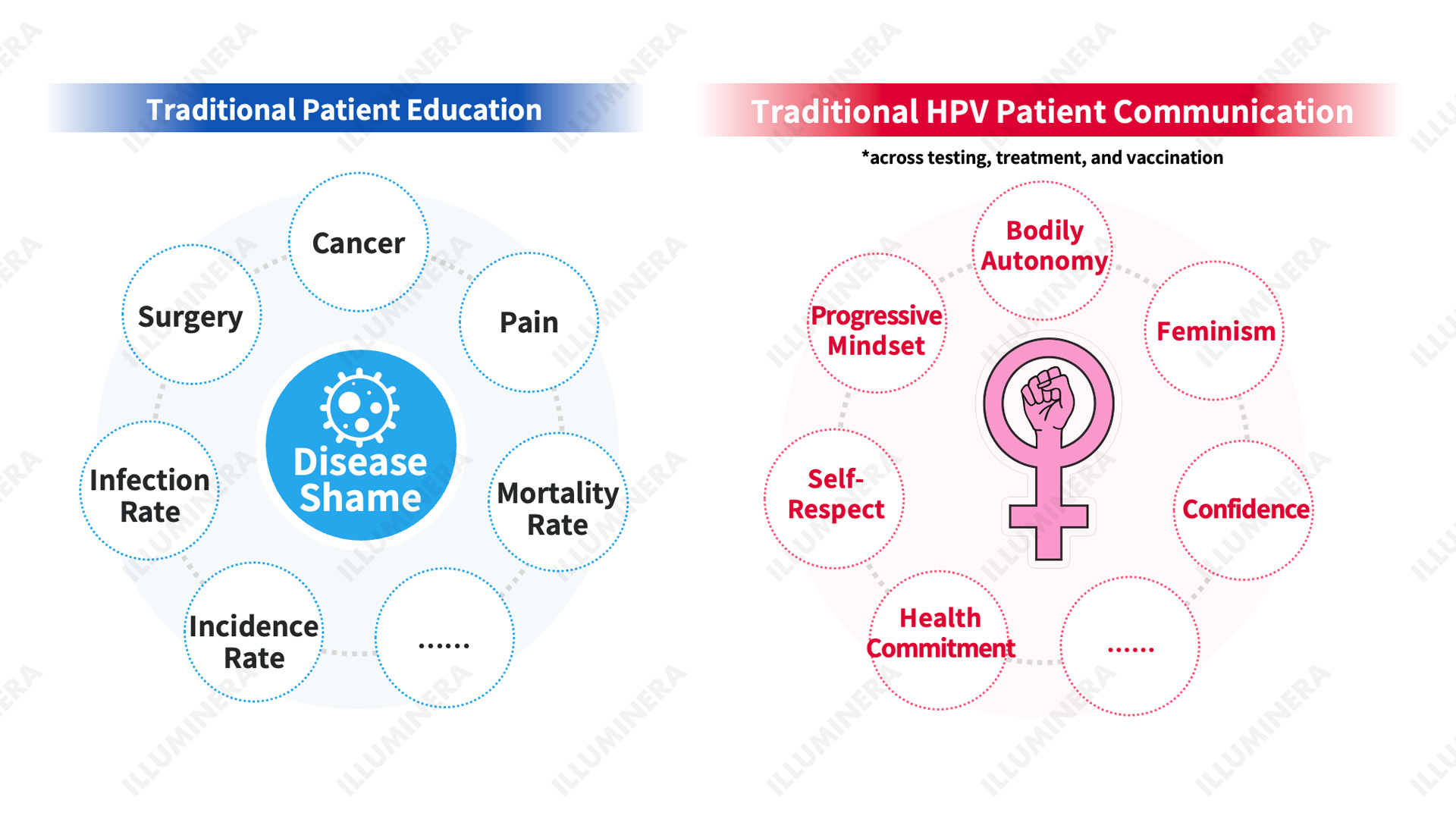
For example, in HPV prevention communication, messages built around “bodily autonomy”,“progressive mindset” and “self-care” consistently outperform communications relying solely on cold, fear based statistics. These emotionally attuned narratives not only increase patient/consumer reach and engagement but also strengthen brand influence by resonating with lived experiences.
What emotional experiences should patient communication create and how can brands deliver this emotional value effectively?
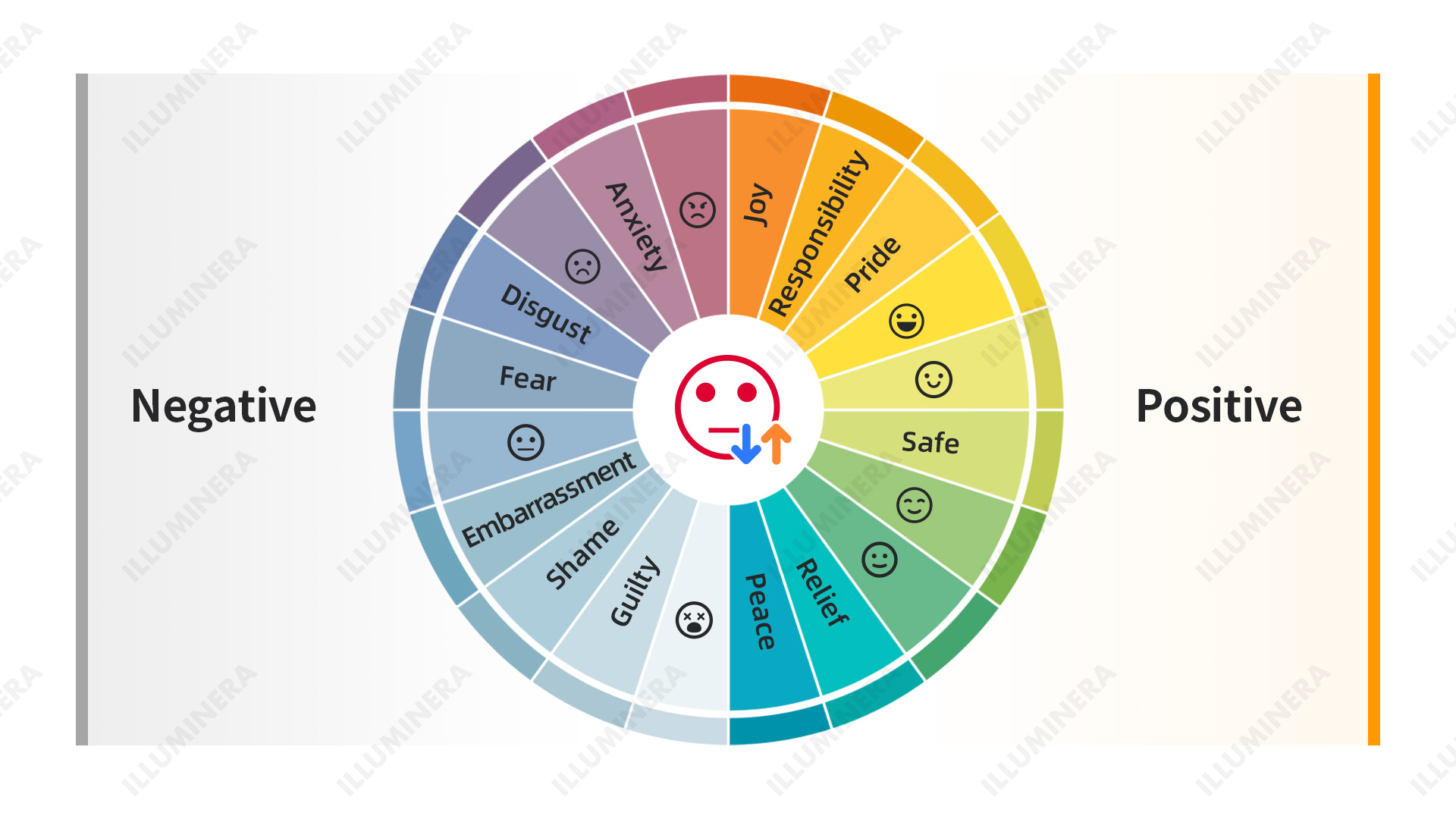
Based on deep insights into consumer health, cbh(Consumer & Big Health), an Illuminera boutique, applies psychological methodologies to decode patients’ emotional needs across different disease areas. cbh developed a Patient Emotion Wheel, mapping health-related emotions across two major dimensions - positive and negative - with more than 20 detailed emotional states.
The Emotion Wheel helps brands clearly identify a patient’s current emotional state and emotional gaps, uncover emotional touchpoints specific to each disease, and reveal the unmet, often unspoken needs that shape patient behaviours. It also guides brands toward the most effective and empathetic communication pathways.
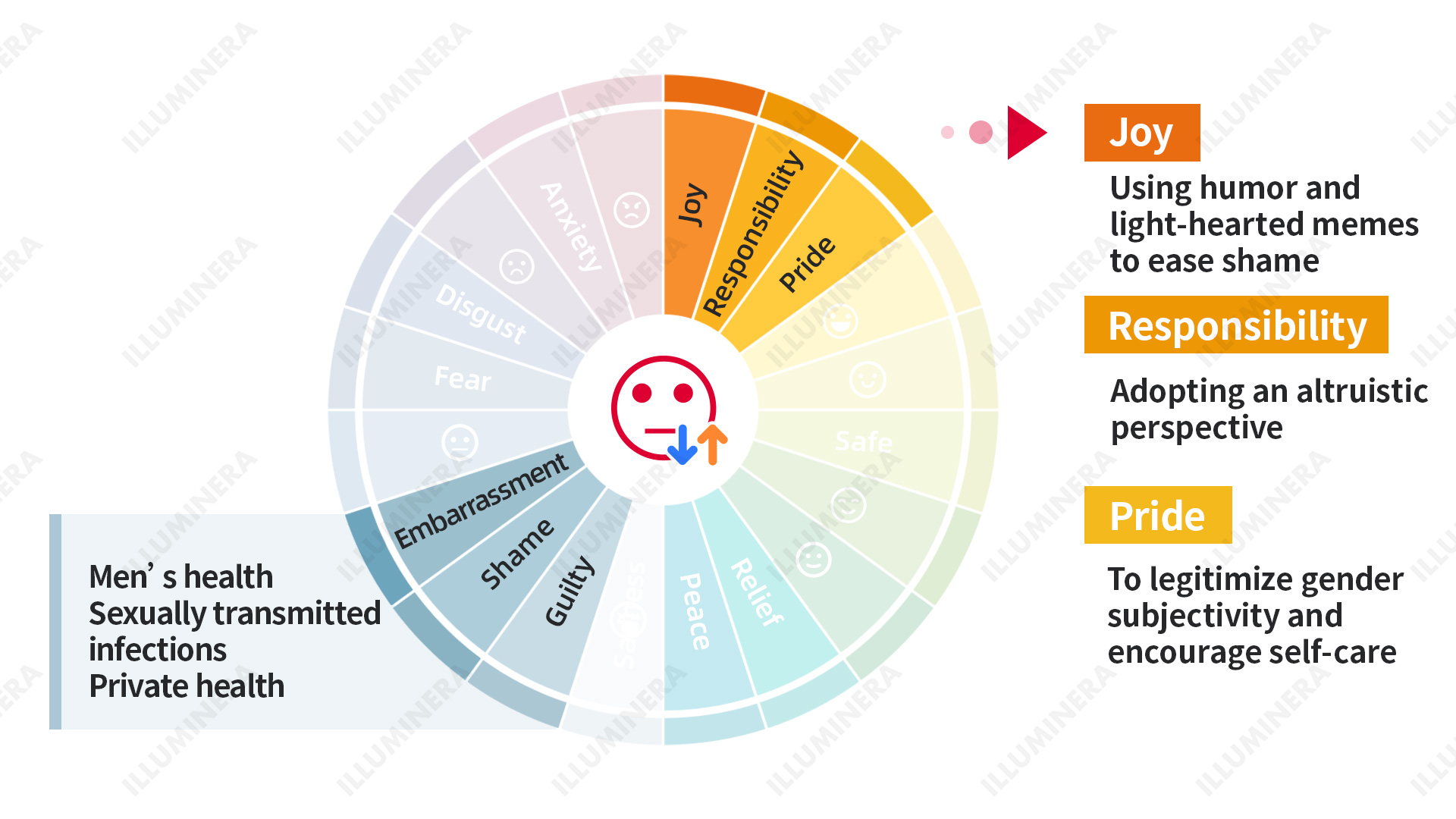
In sensitive categories such as men's health or sexually transmitted infections, patients often feel embarrassed, shamed, or guilty. Guided by the Emotion Wheel, brand communication should avoid emotional “minefields” and steer toward positivity instead, such as joy, responsibility or pride. cbh team found that transforming negative emotions into positive resonance not only improves communication effectiveness but also sparks new marketing inspiration.
Positive patient communication isn’t just about slogans - it's a strategic shift from one way education to meaningful emotional connection, and helps patients transition from passive avoidance to active engagement. Only by truly adopting a patient centric perspective - combining rational information with emotional insight - can brands break through cognitive barriers and make scientific messages accessible, compelling, and effective.
END
Leveraging cross-industry expertise in Healthcare + FMCG and integrating multi-source data, Illuminera is committed to building strategies for consumer health. We uncover true patient needs and behavioral drivers, empowering healthcare brands to accelerate their consumerization journey and capture high-growth opportunities in the out-of-hospital market.

For more relevant information, please send an email to marketing@illuminera.com.